
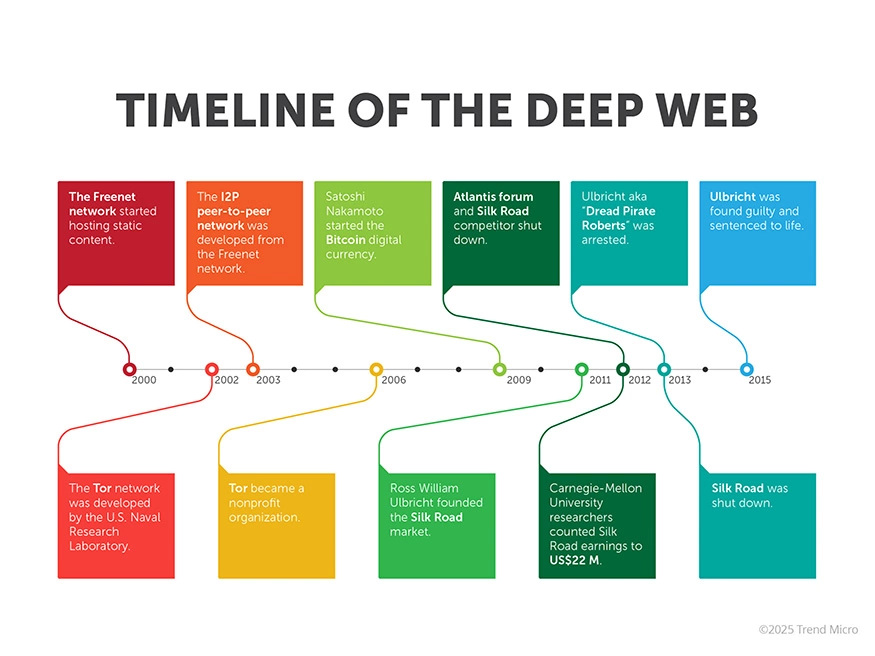
The internet has changed dramatically over the past few decades. Alongside the growth of online shopping, digital banking, cloud services, and social media, a parallel underground ecosystem has developed around cybercrime. This environment is frequently discussed in cybersecurity research because criminals may use hidden online communities and marketplaces to exchange stolen information, compromised accounts, malicious software, and other illicit services.
The name bclub has appeared in online discussions associated with this broader ecosystem, while bclub.tk has been referenced as a domain connected with the name. Because underground services are deliberately difficult to verify, however, information about particular domains, operators, and databases can be uncertain or outdated.
Rather than focusing on how to access underground services, it is more useful to understand how these markets evolved, why stolen information became valuable, and what lessons their existence provides for modern cybersecurity.
What Is the Dark Web?
The dark web is often confused with the entire internet or with the deep web. These terms describe different things.
The surface web consists of publicly accessible websites that search engines can generally index. News sites, public business websites, and many blogs fall into this category.
The deep web includes online content that search engines do not normally index. Examples include private email accounts, online banking dashboards, school portals, and subscription-based services.
The dark web is a smaller part of the internet that uses technologies designed to conceal the location or identity of online services and users.
The technology itself is not inherently criminal. Privacy-focused systems can serve legitimate purposes, including protecting journalists, researchers, and people living under restrictive conditions. However, hidden services have also been used for illegal marketplaces and criminal communication.
The Rise of Underground Online Markets
Underground markets have existed in various forms for many years. As internet access expanded, criminals increasingly found ways to use online communication and digital payments to organize illicit activities.
Early underground communities were often relatively fragmented. Over time, some evolved into more organized marketplaces or specialized services.
The basic economic concept is similar to a legitimate online marketplace: different participants can provide or seek particular goods or services. The major difference is that the activity may involve illegal products, stolen information, or criminal services.
This evolution has made cybercrime a significant concern for governments, businesses, financial institutions, and cybersecurity researchers.
Where BClub Fits Into the Discussion
BClub has been mentioned in public online discussions concerning underground markets and stolen payment-related information. BClub.tk has similarly appeared in references surrounding the BClub name.
However, it is important to recognize the limitations of information about underground services.
A website can change domains, disappear, be copied, or be impersonated. Online posts can also repeat claims without independent verification. As a result, the existence of a domain or the frequency with which its name appears online does not automatically establish every claim made about it.
From a security perspective, BClub is best understood as part of discussions about the wider problem of illicit data markets rather than as something ordinary internet users should attempt to investigate directly.
Why Stolen Data Became Valuable
The growth of digital payments and online accounts has created huge amounts of valuable information.
Payment details, login credentials, personal identifiers, and account information can potentially be abused for financial fraud or identity-related crimes.
This creates an economic incentive for criminals to steal data.
Information may initially be obtained through one attack and later become part of a wider criminal ecosystem. Different criminals may specialize in different stages, including data theft, distribution, fraud, or account compromise.
This specialization is one reason modern cybercrime can be more organized than traditional forms of online fraud.
How Payment Information Can Be Compromised
Stolen payment information does not necessarily originate from a dark-web marketplace. In many cases, the initial compromise occurs elsewhere.
Common sources include:
- Phishing campaigns
- Fake online stores
- Malware
- Compromised accounts
- Data breaches
- Social engineering
- Weak passwords
- Password reuse
- Poorly secured systems
For example, a person might receive a fraudulent message pretending to come from a bank. The message could direct them to a fake website designed to collect sensitive information.
That information could later be misused or distributed within criminal networks.
The Evolution of Cybercrime Business Models
One of the most important changes in underground markets has been specialization.
In earlier cybercrime activity, an individual attacker might need to perform many tasks independently. Modern criminal ecosystems can divide responsibilities among multiple participants.
One group may focus on obtaining information. Another may develop malicious software. Others may attempt to monetize compromised accounts or stolen data.
This type of specialization is sometimes described by cybersecurity professionals as cybercrime-as-a-service.
The result is an ecosystem that can potentially operate more efficiently than isolated criminal activity.
The Role of Trust and Reputation
Underground markets can develop their own forms of reputation.
Participants may discuss whether certain services are genuine, whether information is accurate, or whether another participant is trustworthy. Some communities may use ratings, feedback, or other mechanisms intended to reduce fraud between criminals.
This creates an unusual situation: illegal marketplaces may attempt to reproduce some features of legitimate e-commerce platforms.
However, such systems do not make the underlying activity legitimate or safe. Criminal marketplaces can contain scams, malicious files, phishing attempts, and other threats directed at participants themselves.
Why Underground Markets Frequently Change
A major characteristic of underground online markets is instability.
A service may disappear because of law-enforcement activity, technical problems, internal disputes, scams, security incidents, or other circumstances. A replacement service may later appear using a different identity.
This creates a constantly changing environment.
It also explains why online information about a particular domain may become outdated quickly. A page describing a service today may not accurately represent its status months or years later.
The Risk of Impersonation
The popularity of certain cybercrime-related names can create another security problem: impersonation.
Attackers may create fake pages using a recognizable name in an attempt to attract visitors. Their goal might be to steal passwords, payment information, cryptocurrency, or other personal data.
Therefore, people searching for information about BClub.tk or similar topics should be particularly cautious about clicking unknown links or downloading unfamiliar files.
Curiosity about cybersecurity should never require exposing your own device or accounts to unnecessary risk.
What Businesses Can Learn
The evolution of underground markets demonstrates why businesses need to take information security seriously.
Organizations that store payment or customer information should implement appropriate security controls, limit access to sensitive data, monitor unusual activity, and regularly update their systems.
Employee education is also important. Many successful attacks begin with social engineering rather than an advanced technical exploit.
Companies should also maintain incident-response procedures so they know what to do if sensitive information is exposed.
What Individuals Can Do
Consumers can reduce their exposure to stolen-data markets by protecting their information before it can be compromised.
Useful practices include:
Use Unique Passwords
Avoid reusing passwords across important accounts. A password exposed through one breach should not provide access to another service.
Enable Multi-Factor Authentication
MFA adds another layer of account protection beyond a password.
Monitor Financial Activity
Review transactions regularly and enable legitimate account notifications when available.
Be Suspicious of Unexpected Messages
Do not automatically trust messages that request payment details, passwords, verification codes, or other sensitive information.
Keep Software Updated
Regular updates help address known security vulnerabilities.
Use Trusted Payment Channels
When shopping online, use reputable businesses and verify website addresses carefully before entering financial information.
The Importance of Cybersecurity Research
Cybersecurity researchers monitor underground activity for defensive purposes. Their work can help organizations understand emerging threats, identify compromised information, and improve security controls.
This research can also help law-enforcement agencies and technology companies understand how cybercrime ecosystems operate.
Responsible research focuses on observation, analysis, and prevention rather than participating in criminal transactions.
For students and people interested in cybersecurity, legitimate training environments and educational security platforms provide much safer ways to learn about threats.
The Future of Underground Markets
Underground markets will likely continue to evolve as technology changes.
The growth of cloud computing, mobile payments, artificial intelligence, connected devices, and online identities creates new opportunities for both legitimate innovation and criminal abuse.
At the same time, defensive technologies are improving. Strong authentication, automated fraud detection, threat intelligence, encryption, transaction monitoring, and better security awareness can make attacks more difficult.
The future will therefore involve an ongoing effort to protect increasingly valuable digital information.
Final Thoughts
BClub.tk and the BClub name have appeared in online discussions surrounding the broader world of underground markets and stolen payment-related information. However, information about particular criminal services can be difficult to independently verify and can change rapidly.
The larger story is the evolution of cybercrime itself.
Underground markets have developed from relatively fragmented communities into increasingly specialized ecosystems in which stolen information can become a commodity. This development has created challenges for consumers, businesses, financial institutions, researchers, and law enforcement.
Understanding this evolution is valuable because it highlights the importance of prevention.
Strong passwords, multi-factor authentication, careful handling of financial information, updated software, transaction monitoring, and awareness of phishing can all reduce the risk of becoming part of the stolen-data economy.
Most importantly, people should avoid interacting with underground marketplaces or attempting to obtain stolen information. Cybersecurity knowledge is most useful when it helps individuals and organizations defend themselves against threats.
By understanding how underground markets have evolved—and why stolen data has economic value—we can better understand the importance of protecting digital information in an increasingly connected world.