
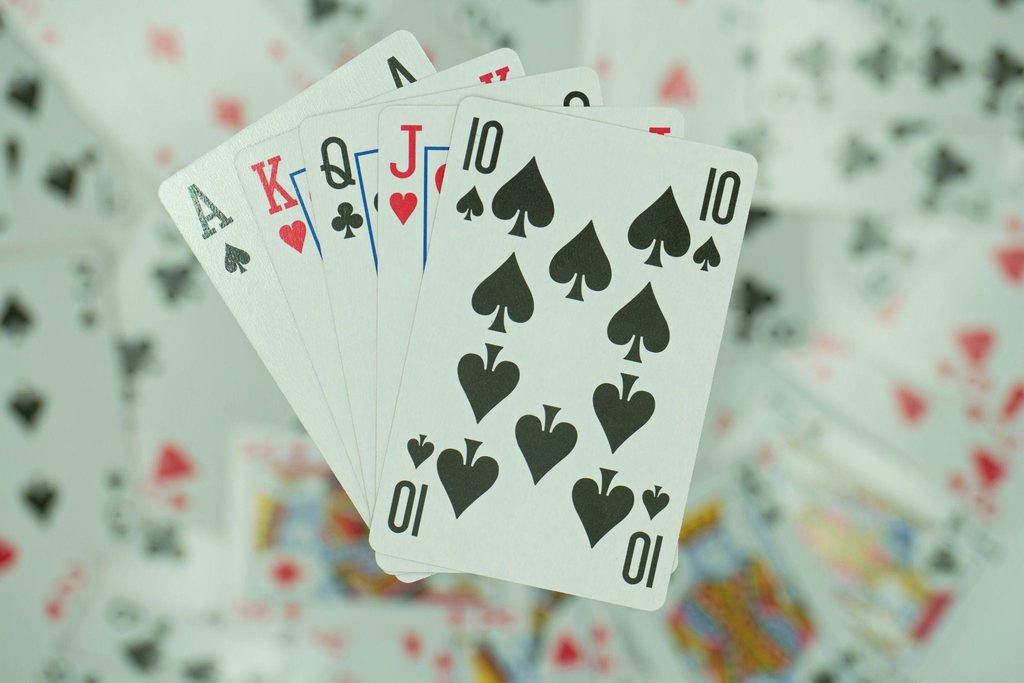
Small variations in your gameplay will contribute to better decision-making skills. In tongits, players regularly face decisions about which cards to hold, which to discard, and which to use to create combinations. It is luck that plays a role in the cards you get, but your behavior patterns will affect your response to each set of cards. The use of some simple tricks will also assist in avoiding hasty and needless moves.
Experienced players are aware of what is happening in their own hand and observe their opponents’ steps. They change their tactics depending on the course of each round.
Watch the Discarded Cards Carefully
Another easy-to-adopt habit in tongits is looking at the cards discarded by other players. These cards will tell you something about the combinations they can form. For instance, a player who is discarding cards of one particular suit might be doing that since he does not collect that particular suit. Nevertheless, it is important not to base all your conclusions solely on the discards.
Don’t Hold Too Many Cards
Holding too many completely unrelated cards clutters your hand. Continuously review each card you hold, and decide whether you have a feasible opportunity to complete a set or sequence with each of them. If a card you’re holding has no logical bearing on the others, it’s sometimes better to discard that particular card while you’re waiting for a draw for a specific combination.
Don’t Just Play What the Cards Can Make
Playing it by eye works well a lot of the time, but it can also be helpful to evaluate what you have for its potential. This doesn’t just account for the combinations that actually make up your hand, but the possible combos your hand could represent.
You might have a strong pair as well if the other two have something that would fit, or maybe two cards next to each other would build better for another turn. But don’t try to fit in multiple rare combos if you are in short stock.
Observe your opponents
This is especially true for what they do, not necessarily what they discard. Are there certain cards they seem to pick up frequently, cards of a certain suit they tend to discard quickly, or tendencies in how they play? These observations can help you determine what they might be picking up, although in games with limited information, patterns should not be considered absolute indicators.
Observe and Adjust Play
Make smarter plays by not starting over each round. Analyze what made your plays successful or disastrous, as well as the information available from your other players. After a few hands, you’ll start to recognize winning card combinations, calculate risk in certain hands, and anticipate their movements. The aim is to simply feel more confident using the hand provided.
Wrapping Up
A lot of good habits start with simple moves like watching discards, hand evaluation, pattern reading, risk management, and mental control. A player can not control cards dealt, but a player can adjust how they play each hand. A good player has many small habits, but those habits make every hand a learning opportunity.